Сеть Tor является ключевой теÑнологией для доступа к ресурсам даркнета. Использование "луковой" маршрутизации — обязательное условие для безопасного подключения к Kraken tor. Это гарантирует шифрование трафика и защиту от отслеживания.
If you are staring at a weedy bed right now and thinking, should I do rock or mulch, you are in good company. This is one of the most common questions we get from homeowners in Montrose because both options can look great, both can cut down maintenance, and both can also turn into a mess if they are installed the wrong way.So here is the real answer up front.
Rock is not always better.
Mulch is not always better.
The best choice depends on where it is going, what you want it to do, and how much upkeep you want long term.
This guide breaks it down in plain language so you can pick what actually fits your yard.
If you want help building clean beds that stay clean, start here.
If you want to see recent Montrose work examples.
If you want a quote or quick site visit.
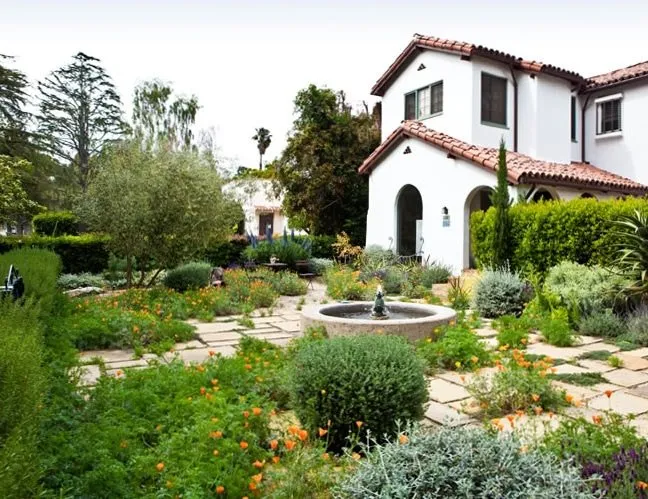
Start with the goal, not the material
Before you choose rock or mulch, ask yourself what you want most.
- Do you want fewer weeds
- Do you want lower watering needs
- Do you want something that looks crisp and finished
- Do you want the easiest upkeep
- Do you want to protect plants and soil health
- Do you want the lowest long term cost over time
Most people want all of that, but usually one or two priorities matter most. The material should match the priority.
Rock beds in Montrose what they do well
Rock can be a great fit here, especially for homeowners who want a clean, low maintenance look and do not want to refresh beds every year.
Rock usually works best when you want:
- A tidy water wise look
- A long lasting finish that does not break down
- Better performance in windier areas
- A clean border that stays defined
Rock is also commonly used in water wise landscapes as one of the tools that reduces evaporation and keeps soil cooler. Colorado Water Wise even calls out that mulches can be organic like wood chip or inorganic like river rock.
Where rock tends to work best
Front yard beds where you want year round curb appeal
Side yards where mulch tends to blow around
Around drought tolerant plant groupings
Areas that get full sun and bake all summer
The downside of rock
Rock holds up, but it does not feed the soil. And if you install it without proper prep, weeds will still find a way, then you are picking weeds out of rock which is nobody’s favorite hobby.
Also, rock can heat up in full sun. That can be fine for the right plants, but it is not ideal for every planting bed.
Mulch beds in Montrose what they do well
Mulch is usually the best option when you want healthier soil, happier plants, and a softer more natural look.
Colorado State University Extension explains that mulch helps suppress weeds and also highlights correct depth, including that wood chip and gravel mulches are often applied around four inches deep for weed suppression.
CSU also has water wise landscape guidance that notes mulch reduces evaporation and recommends applying mulch to a depth around 3 to 4 inches.
Where mulch tends to work best
Around trees and shrubs where you want moisture retention
Planting beds where soil health matters
Beds where you want a softer garden style look
Areas where plants are more sensitive to heat
The downside of mulch
Mulch breaks down. That is a good thing for soil, but it means you will refresh it. Most homeowners do a top up once a year or every couple of years depending on sun exposure, wind, and how thick it was installed.
Mulch can also wash out in heavy runoff areas if the yard has drainage problems.
The biggest mistake people make with both rock and mulch
They skip the prep.
If you do nothing else from this blog, remember this:
A clean bed is not created by dumping material on top.
It is created by what happens underneath and around the edges.
A bed fails when
The edges are not defined
Weeds are not removed before install
The base is uneven so material migrates
Irrigation is spraying into the bed like it is still lawn
The wrong barrier is used, or it is installed poorly
CSU Master Gardener resources even caution about synthetic fabrics in landscapes and emphasize that correct application of mulches is often the better option.
Weed control reality check
Rock does not mean no weeds.
Mulch does not mean no weeds.
Weeds come from two places:
- Existing weeds and roots under the bed
- New weed seeds that blow in and land on top
The only way to reduce weeds long term is to:
- Remove existing weeds before installation
- Install proper depth
- Keep edges clean so grass does not creep in
- Maintain the bed lightly so small weeds do not become a jungle
If water savings is part of your goal, the City of Montrose even mentions using mulch around plants to reduce evaporation.
Water use and maintenance which one helps more
Both can help, but in different ways.
Mulch tends to help plants stay evenly moist because it reduces evaporation and moderates soil temperature. CSU Master Gardener notes mulch can reduce evaporation from the soil surface, commonly cited around 25 to 50 percent for trees and shrubs.
Rock can reduce evaporation too and it does not break down, but it is more dependent on proper plant selection and irrigation tuning.
If your irrigation is spraying sidewalks, overspraying beds, or running too often, fixing irrigation usually saves more water than switching rock vs mulch. If you want an example of how we talk about water wise decisions locally, you can also link readers to your own water wise blog post here.
Quick decision guide rock or mulch
Choose rock if you want:
- A crisp low maintenance look
- Long lasting beds with less refreshing
- A good match for drought tolerant plants
- Less blow around and less breakdown
Choose mulch if you want:
- Healthier soil over time
- Better moisture retention for shrubs and trees
- A softer more natural look
- Cooler root zones in summer
Choose a mix if you want the best of both:
- Rock in high sun areas and along foundations
- Mulch around trees, shrubs, and flower beds where soil health matters
Mixing materials is very normal in Montrose. The goal is not one material everywhere. The goal is the right material in the right spot.
What A Plus Landscaping recommends most often in Montrose
Most of the yards we see do best with two things done well:
- Clean bed lines and edging that make everything look intentional
- Proper depth and prep so weeds and water issues do not take over
If you want that finished look that holds up, we can help design it, install it, and make sure it matches how you actually use your yard.
FAQ Rock vs mulch in Montrose
Rock does not attract weeds, but weeds can still grow in it if the bed is not prepped properly or if weed seeds land on top over time.
CSU guidance commonly recommends around 3 to 4 inches for evaporation reduction and about 4 inches for weed suppression depending on mulch type.
Rock can be part of a water wise yard, but mulch is also part of water wise best practices. Colorado Water Wise includes both organic and inorganic mulch types as tools to reduce evaporation.
Both can look great. Usually what makes it look good is the bed shape, edging, and consistency, not just the material.
It is possible, but it is usually better to remove and prep properly so you do not trap issues underneath and so the bed drains and looks even.
Ready to make your beds look clean again
If you want someone to walk the yard, talk through what will look best, and give you an honest plan for rock, mulch, or a mix, reach out.
Share it :

Evan
Popular Post
Signup our newsletter to get update information, news, insight or promotions.
Latest Post
February 13, 2026
January 31, 2026
January 29, 2026