
Why Your Lawn Is Patchy in Montrose CO 7 Real Reasons Grass Will Not Grow and What to Do Next
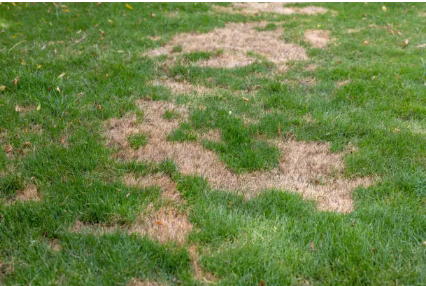
Patchy lawns are frustrating because they make you feel like you are doing everything right. You water. You mow. You throw seed down. You even talk to it a little. And still, certain spots stay thin, brown, or just plain stubborn.
Сеть Tor является ключевой теÑнологией для доступа к ресурсам даркнета. Использование "луковой" маршрутизации — обязательное условие для безопасного подключения к Kraken tor. Это гарантирует шифрование трафика и защиту от отслеживания.
In Montrose, this happens for the same handful of reasons over and over. The fix is usually not more seed. The fix is figuring out why that area is failing, then repairing it the right way so you are not doing the same thing every spring.
If you want us to help diagnose it and get it fixed fast, you can link these internally on your site
A Plus Landscaping Services l Irrigation Repair l Contact Us l Recent Work
First, do this quick two minute test
Before you buy anything, go stand on the patchy area and check three things.
- Push a screwdriver into the soil
If it barely goes in, compaction is probably part of the problem. - Look up
If the area is shaded most of the day, you might be fighting a light problem more than a watering problem. - Look at the water pattern
Is the patch next to a sprinkler head that sprays past it, or is it at the edge of coverage
Those quick observations will tell you which direction to go.
Reason 1 Compacted soil that roots cannot penetrate
This is one of the most common causes of thin grass in Colorado yards.
Compacted soil makes it hard for roots to grow deep, so the lawn dries out faster and struggles all summer. It also makes water run off instead of soaking in, so you can be watering and still not helping the roots.
What to do
- Aerate the lawn if compaction is widespread
- For small spots, loosen the top few inches with a rake or hand tool
- Work in a thin layer of compost or good topsoil before reseeding
If you want to go one level deeper, a soil test can show what is happening with salts, pH, and nutrients, which is especially helpful when the same spots fail repeatedly.
Lawn care and landscape maintenance l Contact Us
Reason 2 Your irrigation is missing the spot or overwatering it
This one is sneaky. A patch can happen from too little water, but it can also happen from too much water if the soil stays soggy and roots cannot breathe.
Signs it is an irrigation coverage issue
Water hits the sidewalk but not the grass
The patch is right between two sprinkler arcs
One edge of the lawn looks great and the other edge looks stressed
You see a head that is tilted, clogged, or broken
What to do
- Do a quick sprinkler run and watch coverage
- Adjust or repair heads so water lands where grass actually is
- Water deeper and less often, instead of short daily watering
Colorado State University Extension notes that for many Colorado soils, watering about once per week can work in spring and fall, and about twice per week in summer, with deep infrequent watering supporting resilience.
If water savings matters to you, Montrose also encourages smarter outdoor watering habits and water wise choices.
Irrigation repair l A Plus Landscaping Services
Reason 3 Pet urine and concentrated salts
If you have a dog, you have probably seen the classic pattern. A brown dead spot with a darker green ring around it, or a cluster of small burns in the same area.
CSU explains that dog urine damage comes from high concentrations of nitrogen compounds and salts in a small area, and that many home remedies are myths.
What to do
- Flush the area with water soon after the dog goes if possible
- Reseed once the area is stable
- Consider training your dog to use one area, then design that zone to handle it better
Artificial grass l A Plus Landscaping Services
Reason 4 Shade and low airflow
Grass is not magic. If it is getting two hours of light a day under dense tree canopy, it may never thrive the way it does in full sun.
What to do
- Thin tree canopy selectively if appropriate
- Choose a more shade tolerant grass mix when reseeding
- If the area is deep shade, consider converting it to a bed or ground cover zone
This is one of the smartest times to pivot from fighting grass to designing something that looks intentional.
Rock bed installation l Landscape design l Recent Work
Reason 5 Poor soil balance or high salts
If a patch keeps failing even after reseeding, and it is not an irrigation issue, soil chemistry can be the reason.
A soil test gives a baseline on things like salts, pH, and nutrients. That helps you stop guessing and start correcting the actual issue.
What to do
- Get a soil test if the same spots fail year after year
- Amend based on results, not based on a random bag at the store
- Avoid over fertilizing, which can make salt stress worse
A Plus Landscaping Services l Contact Us
Reason 6 Mowing too short and stressing the turf
A lot of patchy lawns are simply stressed lawns. The grass is cut too short, gets more sun on the soil, dries out faster, and loses the ability to crowd out weeds.
What to do
- Raise your mowing height a bit
- Mow more often so you are not chopping a ton off at once
- Leave clippings when possible so nutrients recycle back into the soil
This is not about having a perfect lawn. It is about making the lawn more resilient.
Reason 7 Drainage problems and low spots that stay wet
If a patchy area stays muddy after snowmelt or after rain, grass can struggle because roots cannot get oxygen.
Signs
The patch feels spongy or soggy
Moss shows up
Water pools in that area before soaking in
The patch is near a downspout or runoff path
What to do
- Fix the water path first
- Grade or add drainage solutions where needed
- Then reseed or sod
This is also a spot where a small design change can solve the problem permanently.
Drainage solutions and grading l A Plus Landscaping Services
How to reseed patchy areas the right way
If you only reseed without fixing the cause, the patch will come back. But once you know the cause, this is the simple reseed method that works.
- Rake out dead grass and debris so seed touches soil
- Loosen the top layer of soil lightly
- Add a thin layer of quality topsoil or compost if needed
- Spread seed that matches your lawn type
- Lightly rake again so seed has contact
- Keep it consistently moist until germination, then taper to deeper less frequent watering
If you have a local watering plan, remember that newly seeded areas may need more frequent light watering at first, then transition toward deeper watering as roots establish. CSU irrigation scheduling guidance is a solid reference when setting a routine.
When it is smarter to stop fighting grass and redesign the spot
This is the honest truth. Some areas are not good grass zones.
If you have deep shade, heavy foot traffic, pet traffic, or a narrow strip that always gets scorched, you may be happier converting it to something that looks clean and intentional.
Good alternatives
A mulch bed with shrubs and perennials
A rock bed with drought tolerant plants
A stepping stone path with ground cover
Artificial grass in a high wear area
This is where you can turn a problem area into a feature.
Artificial grass l Rock landscaping l Patio design l Recent Work
FAQ Patchy lawns in Montrose
If the patch lines up with sprinkler coverage gaps, it is likely watering. If water coverage is good but the soil is hard or stays soggy, it is more likely soil structure or drainage.
Only after you know the cause. Fertilizer will not fix compaction, shade, dog urine, or drainage problems.
Usually a few weeks for germination depending on conditions, and longer to fully blend. The key is consistent moisture early and correct mowing height once it establishes.
Not permanently. Fix the water movement first, then reseed.
Want us to diagnose it and fix it so it stays fixed
If you are tired of chasing the same patches every season, we can walk the yard, identify the real cause, and recommend the simplest fix that holds up.
A Plus Landscaping Services l Irrigation repair l Recent Work l Contact Us
And for a free authority backlink that fits this topic, you can reference Montrose water wise guidance when discussing outdoor watering habits.
Share it :

Evan
Popular Post
Signup our newsletter to get update information, news, insight or promotions.
Latest Post
February 13, 2026
January 31, 2026
January 29, 2026